Cloud cost optimization is the practice of reducing unnecessary cloud spend while maintaining performance and availability. This post explores strategies, tools, real-world use cases, and best practices for startups, mining operations, educational platforms, and beyond.
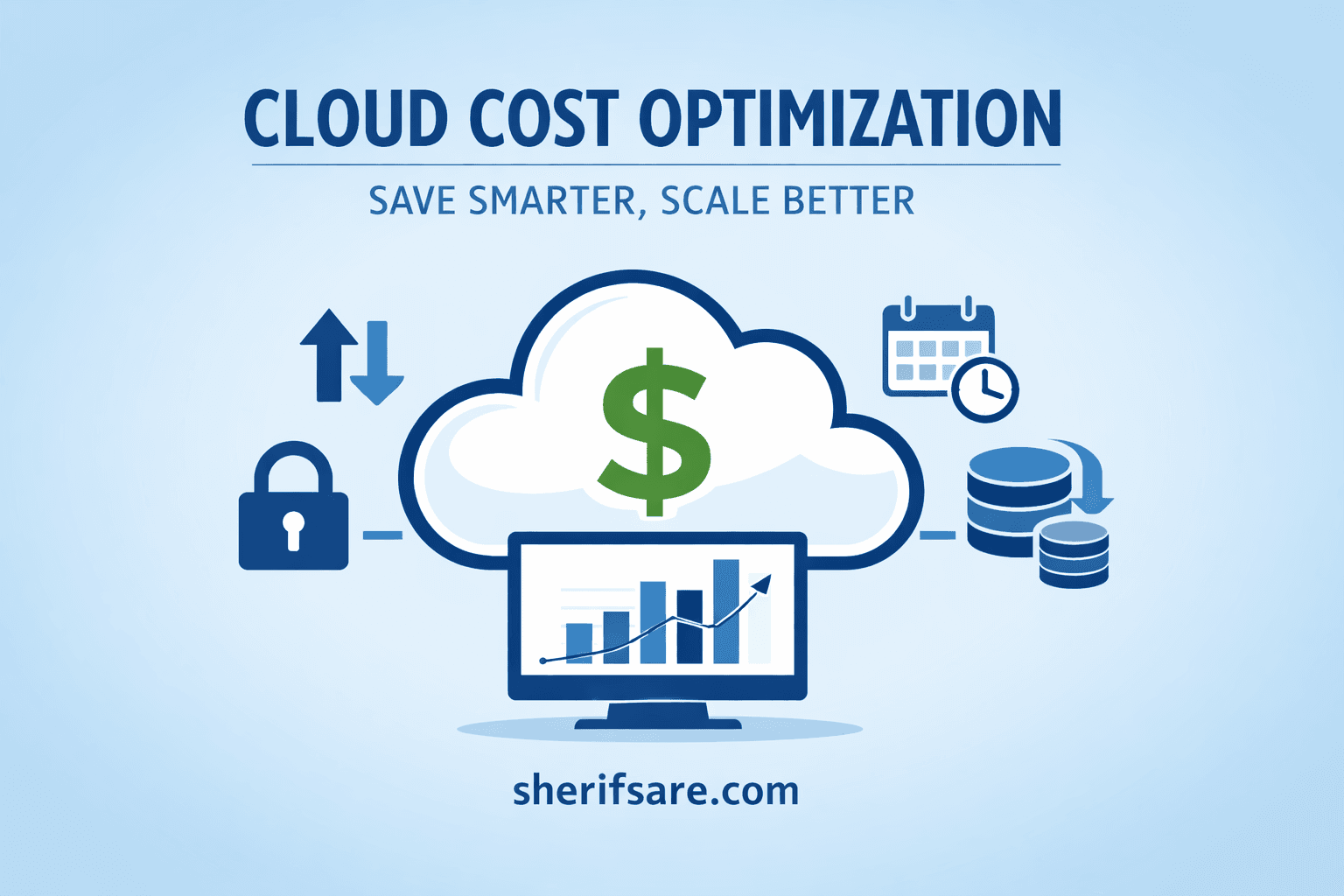
Table of Contents
- What Is Cloud Cost Optimization?
- Why It Matters
- Key Cost Drivers
- Optimization Strategies
- Tools and Services
- Real-World Use Cases
- Best Practices
- Common Pitfalls
- Cost Optimization in Mining, Education, and E-Commerce
1. What Is Cloud Cost Optimization?
Cloud cost optimization involves analyzing cloud usage, identifying inefficiencies, and implementing changes to reduce costs. It balances financial efficiency with technical performance.
Core goals:
- Eliminate waste
- Right-size resources
- Automate savings
- Improve visibility
2. Why It Matters
- Financial Efficiency: Avoid overspending and budget overruns.
- Scalability: Grow without exponential cost increases.
- Sustainability: Reduce carbon footprint and resource waste.
- Business Agility: Reinvest savings into innovation.
3. Key Cost Drivers
- Idle resources: Unused VMs, storage, or databases.
- Overprovisioning: Allocating more than needed.
- Data transfer fees: Between regions or clouds.
- Licensing costs: Proprietary software and services.
- Storage tier misuse: Using premium storage for cold data.
4. Optimization Strategies
🔹 Rightsizing
- Adjust VM sizes, database instances, and storage tiers.
🔹 Auto-scaling
- Scale resources based on demand to avoid idle time.
🔹 Scheduling
- Shut down non-production environments during off-hours.
🔹 Spot and Reserved Instances
- Use discounted pricing models for predictable workloads.
🔹 Storage Lifecycle Policies
- Move data to cheaper tiers automatically.
🔹 Multi-Cloud Comparison
- Choose the most cost-effective provider for each workload.
5. Tools and Services
| Tool/Service | Function |
|---|---|
| AWS Cost Explorer | Analyze and forecast AWS spend |
| Azure Cost Management | Budgeting and optimization |
| Google Cloud Billing | Cost tracking and alerts |
| CloudHealth / CloudCheckr | Multi-cloud cost analytics |
| Kubecost | Kubernetes cost visibility |
| Finout / Zesty | Automated savings and forecasting |
| Terraform + Infracost | Cost estimation for IaC |
| Apptio Cloudability | Enterprise FinOps platform |
6. Real-World Use Cases
Fintech
- Use reserved instances for predictable workloads.
- Monitor API usage and optimize billing tiers.
E-Commerce
- Schedule dev/test environments to shut down nightly.
- Use CDN and caching to reduce data transfer costs.
Education Platforms
- Use auto-scaling for LMS during exam periods.
- Archive old content to cheaper storage.
Mining Operations
- Optimize compute for simulation workloads.
- Use lifecycle policies for exploration data.
7. Best Practices
- Set budgets and alerts: Stay ahead of overspending.
- Tag resources: Track usage by team, project, or environment.
- Review billing regularly: Identify anomalies and trends.
- Use automation: Schedule shutdowns and apply policies.
- Educate teams: Promote cost-aware development.
8. Common Pitfalls
- No visibility: Blind to usage and spend.
- Overprovisioning: Leads to waste.
- Ignoring discounts: Missed savings opportunities.
- Manual processes: Slow and error-prone.
Solutions:
- Use dashboards and alerts.
- Automate savings.
- Conduct monthly reviews.
9. Cost Optimization in Mining, Education, and E-Commerce
Mining
- Use spot instances for simulations.
- Archive exploration data to cold storage.
Education
- Schedule LMS environments.
- Use CDN for video content.
E-Commerce
- Optimize checkout flow performance.
- Use reserved instances for analytics.
Next
Cloud cost optimization is about scaling smart. Whether you’re running a startup, mining operation, or educational platform, optimizing spend empowers you to grow sustainably and invest in innovation.
In our next post, we’ll explore cloud disaster recovery and how to build resilient systems that bounce back fast.